


Faq
What types of kitchens are there?
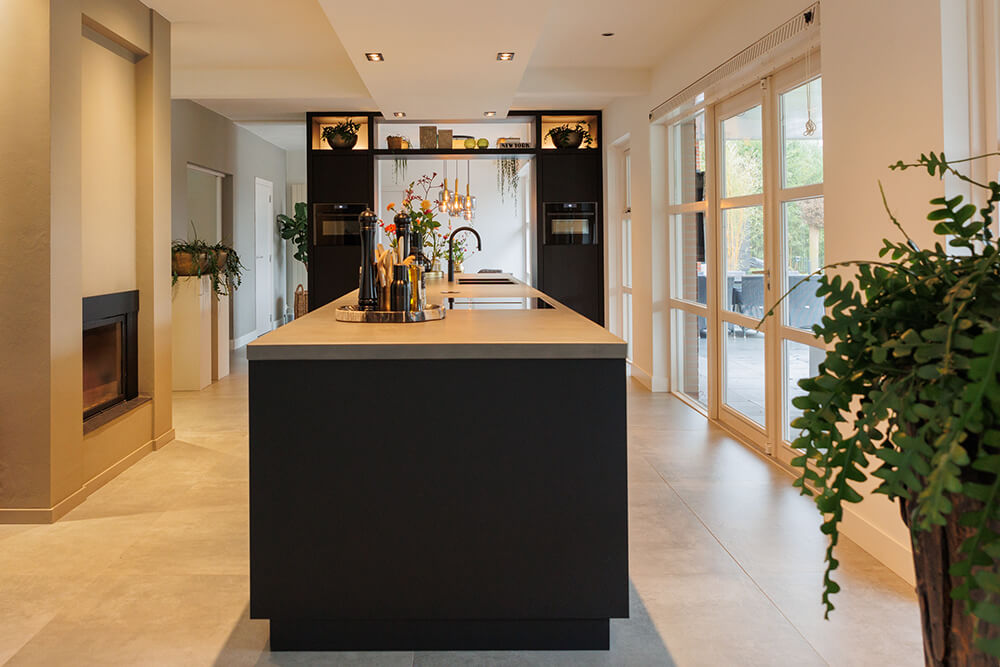
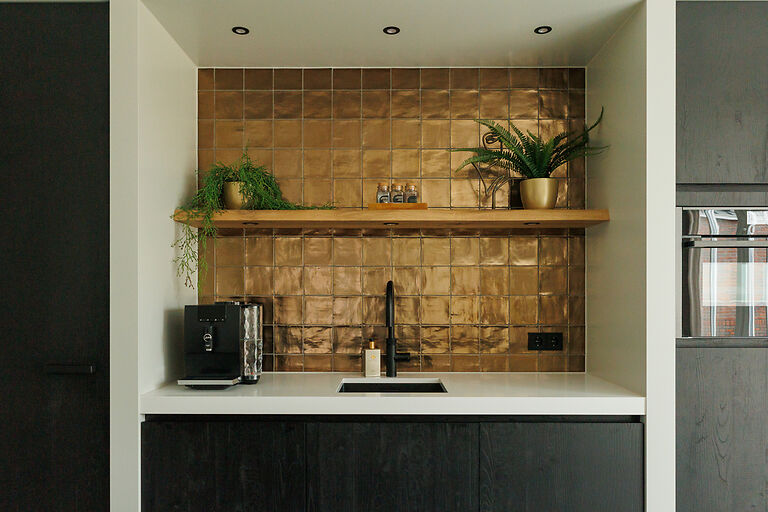
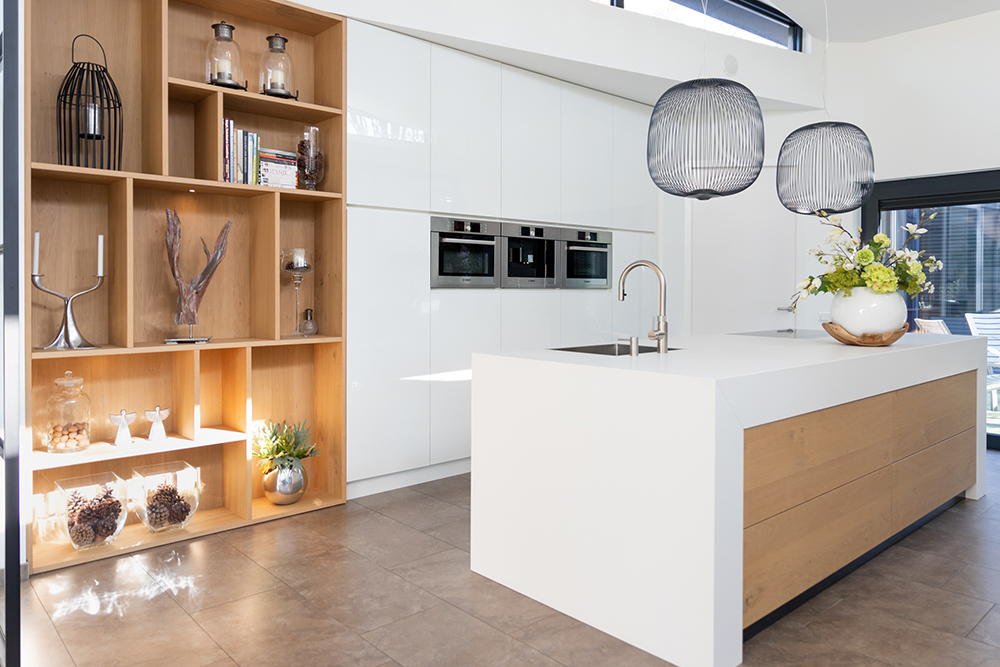
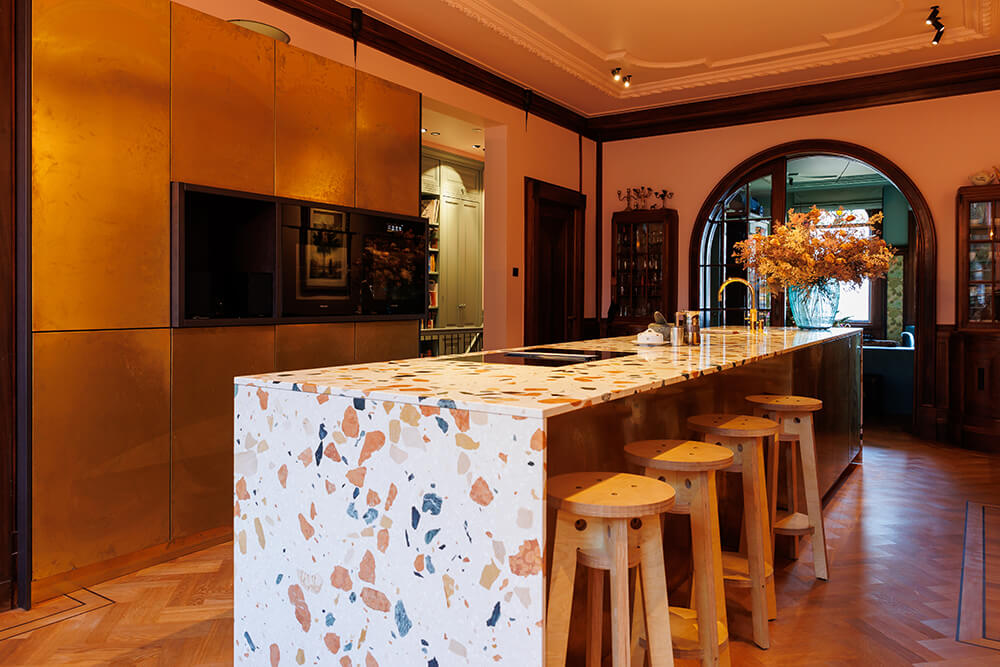
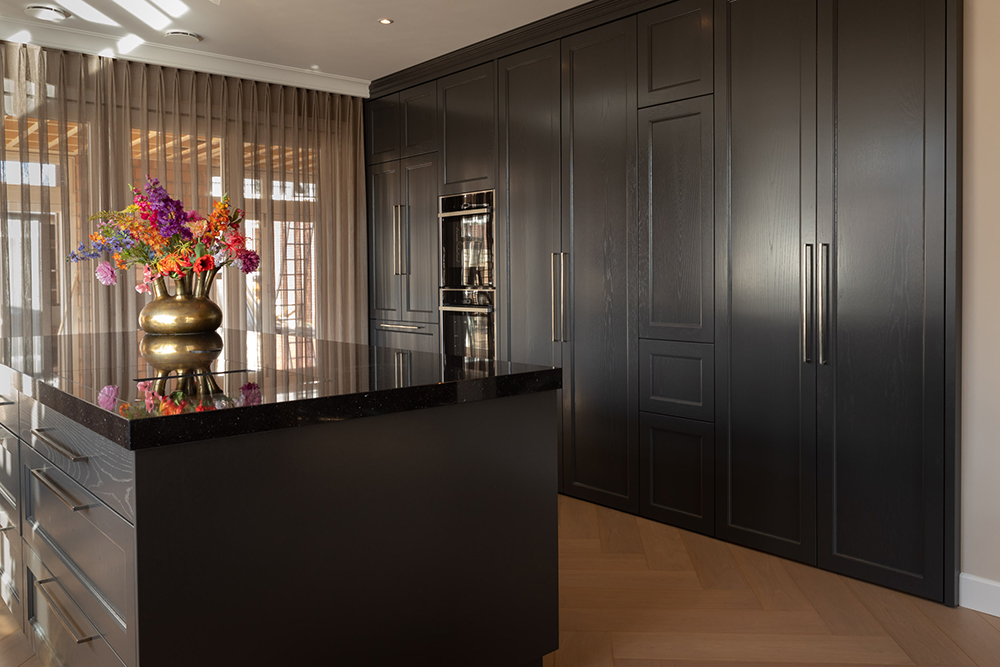
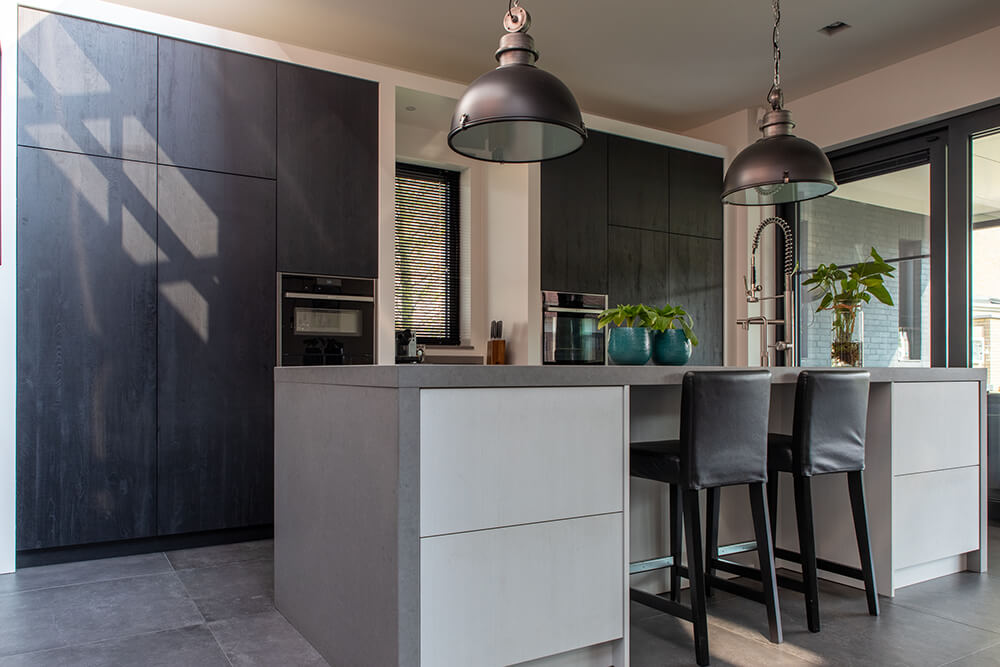
Because we completely customize the kitchen, anything is possible. Together with one of our kitchen consultants we can see what fits best in the space and which design meets your needs.
What kind of materials do we have?
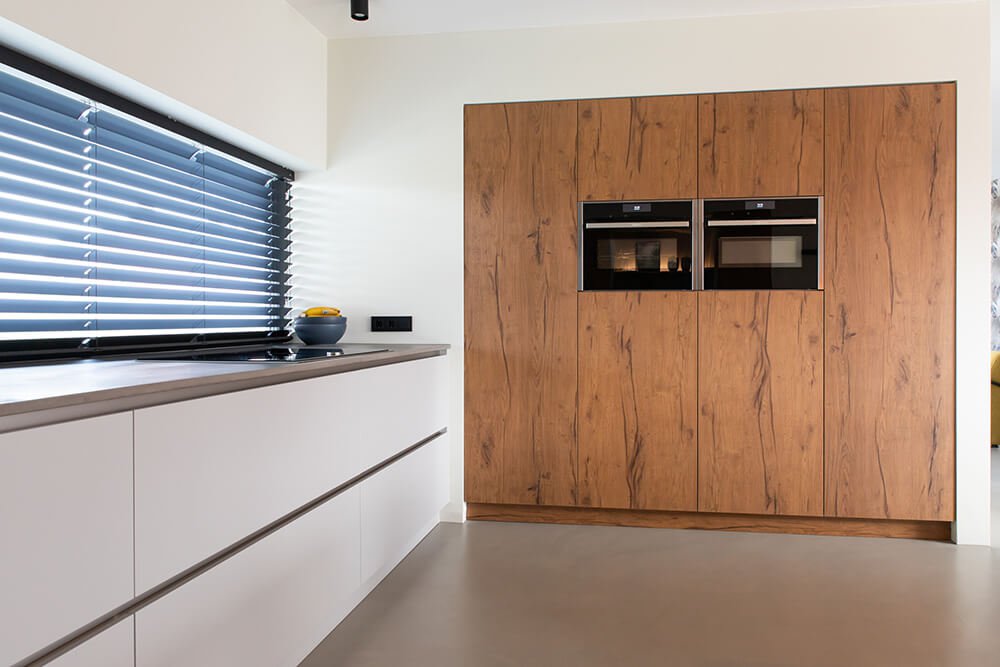
In terms of materials these days we are doing more and more with synthetic material, this is available in many different patterns/wood textures/solid colors and easy to maintain. We also supply solid wood in the desired wood type and color and veneers. For countertops, we have synthetic material, composite, granite, ceramic and marble in different price ranges.
Kitchen equipment?
We supply Miele, Siemens, Bosch, Neff, Aga, Falcon, Kuppersbuch, Quooker, SMEG, Franke, Liebherr, Inventum, Novy and Gaggenau.
Working method?
If you are looking for a new kitchen, you can contact us to schedule an appointment. At the first appointment, we draw the space in our 3D program, and then make a layout for the kitchen and have a look at the materials and equipment. After this appointment, we create the quote and send it to the client. The client can schedule a second appointment to go over the quote and make any adjustments. After this appointment, we prepare a new quote. Once everything is good, we agree on a date for the delivery of the kitchen and make the piping plan for the kitchen. We can start measuring once the plastering is done and the floor is in place.
Onderhoud
Toplaminate
- Wipe your top daily with a detergent (no abrasives). Always rinse well with lukewarm water, and dry your top with a dry, clean fiber cloth. Rinsing and drying is essential; it ensures that remaining dirt and any soap-water residue is absorbed.
- You can treat stains (grease, coffee, tea, red wine) with laminate cleaner. Let the cleaner soak in and then clean your top with a slightly damp cloth or melamine sponge (miracle sponge/power sponge). Rinse with lukewarm water and dry thoroughly.
- Ink, paint, nicotine or marker stains can be removed with benzene or turpentine. Rinse with lukewarm water and dry thoroughly.
- Lime stains can be removed with cleaning vinegar. Rinse well with lukewarm water and dry the sheet completely.
- Never use aggressive cleaners such as paint strippers, brush, metal and oven cleaners, chlorine, plunger or other chemicals.
- Never use harsh abrasives such as steel wool, sandpaper or diamond (damage the surface)
Composite
- Wipe your top daily with a cleaner (no abrasives). Always rinse well with lukewarm water, and dry your top with a dry, clean fiber cloth. Rinsing and drying is essential; it ensures that remaining dirt and any soap-water residue is absorbed.
- Stains (grease, coffee, tea, red wine) can be treated with a quartz cleaner. Let the cleaner soak in and then clean your top with a slightly damp cloth or melamine sponge (miracle sponge/power sponge). Rinse with lukewarm water and dry thoroughly.
- You can also treat stubborn stains with a melamine sponge (miracle sponge/power sponge) or scouring sponge (nylon side) and liquid scouring agent. Slightly moisten the sponge and squeeze it well to achieve sufficient friction. When doing this, be sure to treat a wider area. Intensive use on a small area may result in gloss difference. Rinse thoroughly with water, and dry with a clean tea towel. Are the stains, circles, scratches lessened but not completely gone? Then repeat this treatment after two or three days.
- Note: this treatment is not for daily cleaning of your worktop
- Ink, paint, nicotine or marker stains can be removed with benzene or turpentine. Rinse with lukewarm water and dry the worktop thoroughly.
- Lime stains can be removed with cleaning vinegar. Rinse well with lukewarm water and dry the sheet completely.
- Never use aggressive cleaners such as paint strippers, brush, metal and oven cleaners, chlorine, plunger or other chemicals.
- Please note that due to the deeper structure, dirt is more likely to remain in the pores. This requires more intensive cleaning than with smooth surfaces.
- Also, do not use harsh abrasives such as steel wool, sandpaper or diamond. This is because they can damage the blade surface.
Granite
- Wipe your top daily with a detergent (no abrasives). Always rinse well with lukewarm water, and dry your top with a dry, clean fiber cloth. Rinsing and drying is essential; it ensures that remaining dirt and any soap-water residue is absorbed.
- Stains (grease, coffee, tea, red wine) can be treated with a granite cleaner. Let the cleaner soak in and then clean your top with a slightly damp cloth or melamine sponge (miracle sponge/power sponge). Rinse with lukewarm water and dry thoroughly.
- You can also treat stubborn stains with a melamine sponge (miracle sponge/power sponge) or scouring sponge (nylon side) and liquid scouring agent. Slightly moisten the sponge and squeeze it well to achieve sufficient friction. When doing this, be sure to treat a wider area. Intensive use on a small area may result in gloss difference.
- Ink, paint, nicotine or marker stains can be removed with benzene or turpentine. Rinse with lukewarm water and dry the sheet well.
- Lime stains can be removed with cleaning vinegar. Rinse well with lukewarm water and dry the top completely.
- Never use aggressive cleaners such as paint strippers, brush, metal and oven cleaners, chlorine, plunger or other chemicals.
- Please note that due to the deeper structure, dirt is more likely to remain in the pores. This requires more intensive cleaning than with smooth surfaces.
- Also, do not use harsh abrasives such as steel wool, sandpaper or diamond. This is because they can damage the blade surface.
Ceramic
- Wipe your top daily with a detergent (no abrasives). Always rinse well with lukewarm water, and dry your top with a dry, clean fiber cloth. Rinsing and drying is essential; it ensures that remaining dirt and any soap-water residue is absorbed.
- Stains (grease, coffee, tea, red wine) can be treated with a ceramics cleaner. Let the cleaner soak in and then clean your top with a slightly damp cloth or melamine sponge (miracle sponge/power sponge). Rinse with lukewarm water and dry thoroughly.
- You can also treat stubborn stains with a melamine sponge (miracle sponge/power sponge) or scouring sponge (nylon side) and liquid scouring agent. Slightly moisten the sponge and squeeze it well to achieve sufficient friction. When doing this, be sure to treat a wider area. Intensive use on a small area may result in gloss difference. Rinse thoroughly with water, and dry with a clean tea towel. Are the stains, circles, scratches lessened but not completely gone? Then repeat this treatment after two or three days. Note: this treatment is not for daily cleaning of your worktop!
- Ink, paint, nicotine or marker stains can be removed with benzene or turpentine. Rinse with lukewarm water and dry the sheet well.
- Lime stains can be removed with cleaning vinegar. Rinse well with lukewarm water and dry the sheet completely.
- Never use aggressive cleaners such as paint strippers, brush, metal and oven cleaners, chlorine, plunger or other chemicals.
- Please note that due to the deeper structure, dirt is more likely to remain in the pores. This requires more intensive cleaning than with smooth surfaces.
- Also, do not use harsh abrasives such as steel wool, sandpaper or diamond. This is because they can damage the blade surface.
Solid wood
- Wipe your top daily with clean soapy water. Always rinse thoroughly with water and dry your top with a dry, clean fiber cloth. Rinsing and drying is essential; it ensures that remaining dirt and any soap and water residue is absorbed.
- You can also treat stubborn stains with a melamine sponge (miracle sponge/power sponge). Slightly moisten this and squeeze it well to provide sufficient friction. Be sure to treat a larger area. Intensive use on a small area can lead to gloss differences.
- Ink, nicotine or marker stains can be removed with benzene or turpentine. Rinse with lukewarm water and dry the sheet completely.
- Never use aggressive cleaners such as paint strippers, brush, metal and oven cleaners, chlorine, plunger or other chemicals.
- Also, do not use harsh abrasives such as steel wool, sandpaper or diamond. This is because they can damage the blade surface.
Synthetic material
Synthetic material surfaces can be easily cleaned with the usual cleaning agents (no abrasives). Dilute the cleaning agent with water and apply to a clean cloth. Wipe with clean water and a chamois or kitchen roll paper. Then rub dry thoroughly. Do not use nitro or synthetic resin solutions (including nitro-based cleaners) and abrasive cleaners.
High gloss and lacquered
The closed-pore surfaces are extremely easy to care for and can be kept perfectly clean with a slightly damp, absorbent and clean cloth. Use clean cloths that do not contain sand-dust grains, also no salt and sugar as otherwise the surface may be scratched.
Contamination may need to be removed immediately with water, possibly using a normal neutral cleaning agent without abrasive bark constituents. Never allow stains to dry. Stains, grease splashes and grease deposits can be removed with a warm, light soap solution. In any case, residues of the cleaning agent should be completely removed to avoid streaking.
Grinding and abrasive agents such as scouring sponges or steel wool should not be used for cleaning. Also, do not use polishes, waxes, furniture polishes or bleaches. Cleaning agents must not contain strong acids or strong acid salts such as, for example, formic and aminosulfonic acid-based descaler, drain cleaners. Nitro and synthetic resin solutions and nitro-based agents are also not suitable.
Self-adhesive film or adhesive strips should never be stuck to the surfaces, as they contain solvents or plasticizers that can damage the surface. Furniture polishes also damage the surface and can cause unsightly streaks.
In the long run, microscopic traces of use may also appear as a result of cleaning depending on the light falling on them, they may become visible. However, this does not affect the use value. These marks inevitably occur over time, just like on all other high-gloss surfaces, e.g. on car
Solid wood or real wood veneer
To maintain real wood surfaces, it is sufficient to wipe the fronts with a damp chamois without detergent. Then wipe dry with kitchen roll paper. Do not use cleaning agents containing salmiac and nitro or synthetic resin solutions (including nitro-based cleaning agents). Since wood is a real living material, mg it should not be exposed to extremely moist or dry air. If this is not taken into account, the wood can move, i.e. it shrinks or expands, despite the strong surface protection.
The processed wood is matched to normal humidity of 45 to 75 percent. If the humidity is too high, the insulation of the exterior walls and the ventilation of the kitchen should be checked. Water evaporators on the heating radiators, for example, provide humidity when the air is too dry. Because wood is a grown, natural product, color and texture differences are possible. Even with different light, the same wood appears to change. Different effects of light and sun also lead to color changes over time.














Make an appointment in our showroom
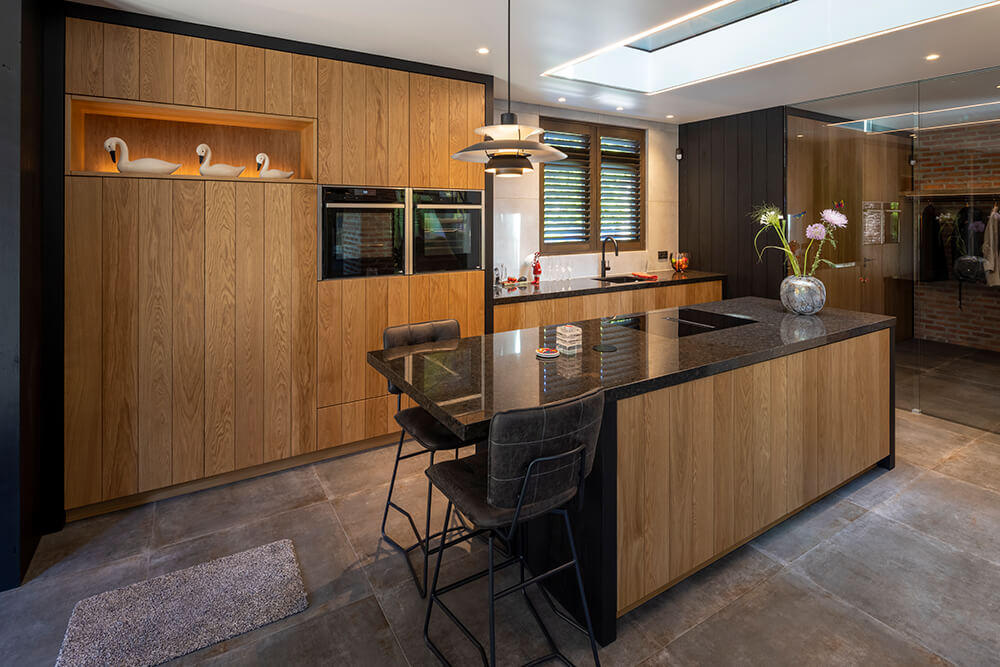
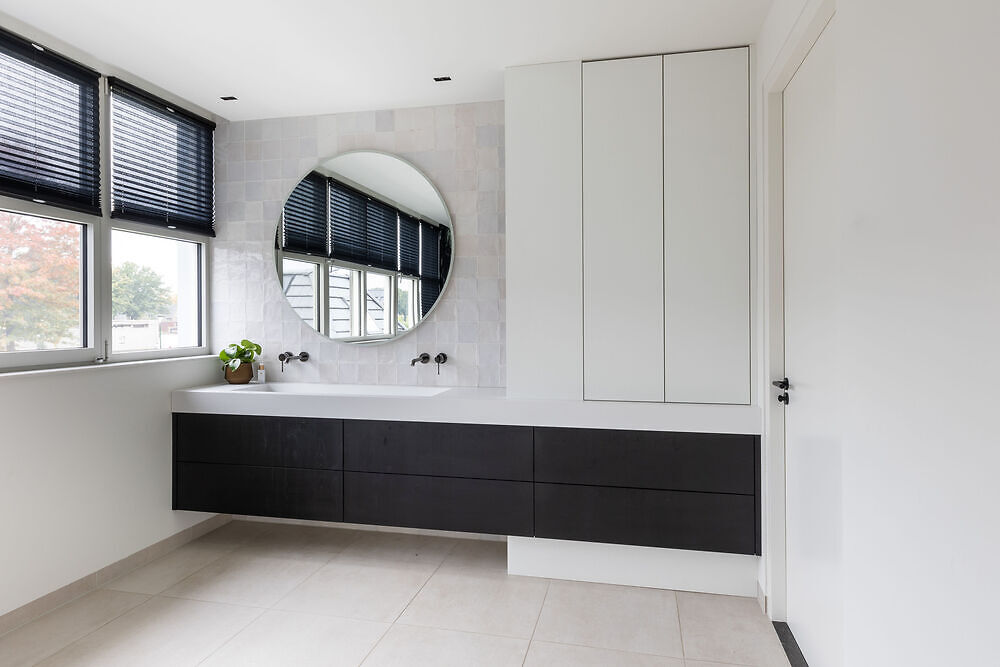
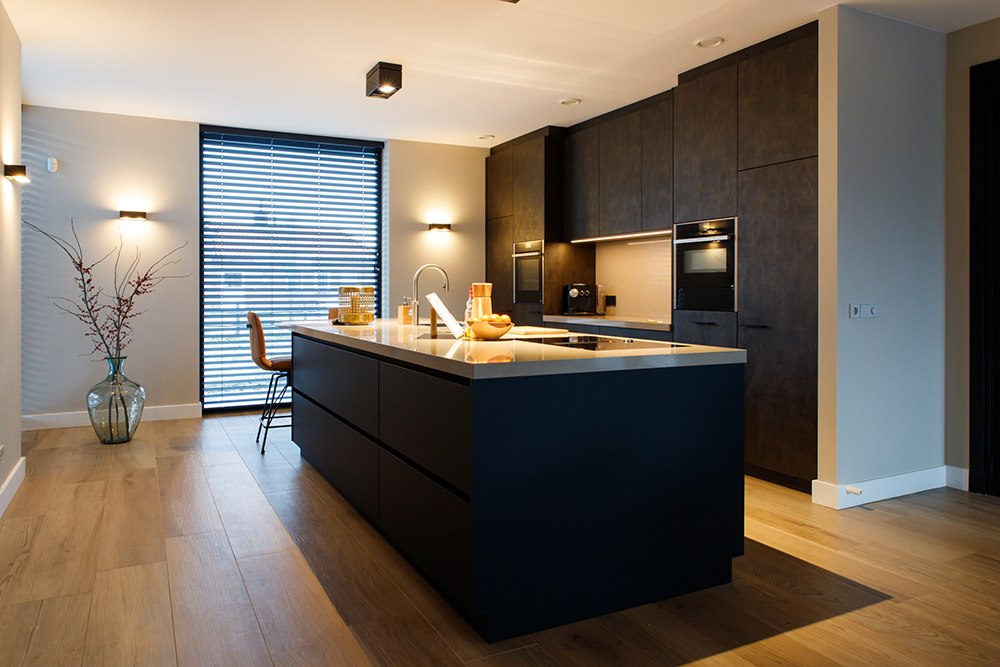
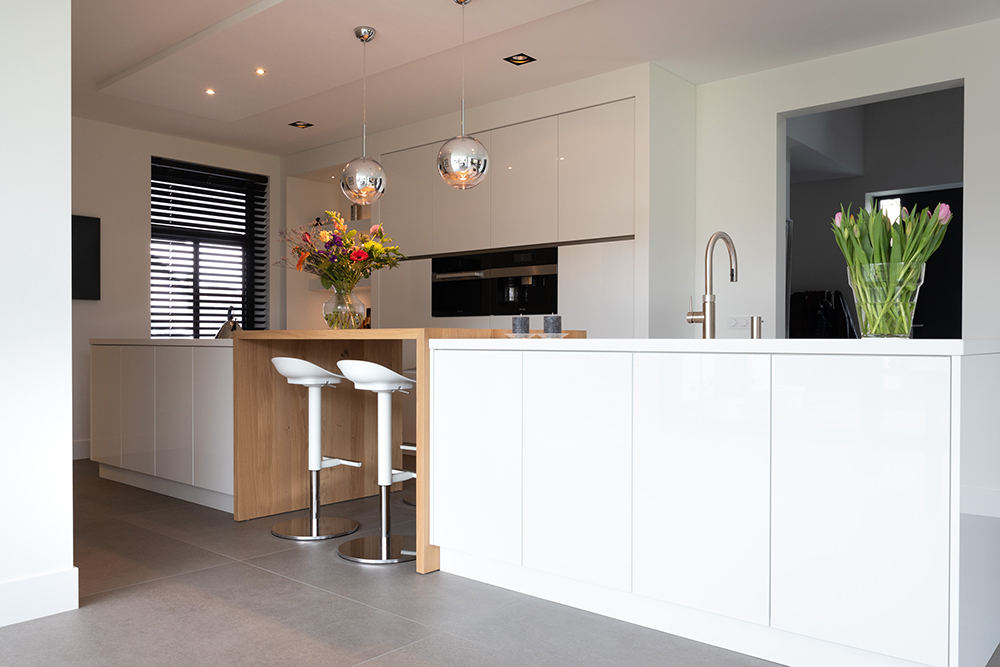
Have you become curious after seeing our projects and want to make an appointment with our kitchen consultants?
Feel free to walk into our showroom or make a no-obligation appointment by contacting us.
Contact
Showroom
JvD kitchens & interior design
Geestenberg 2
5571 SN Bergeijk
Nederland
Opening hours
| Monday: | closed |
| Tuesday: | 09:00 tot 16:45 |
| Wednesday: | 09:00 tot 16:45 |
| Thursday: | 09:00 tot 16:45 |
| Friday: | 09:00 tot 16:45 |
| Saturday: | 09:00 tot 16:00 |
| Sunday: | closed |
We have our lunchbreak from 12:00 to 13:00.
Follow us!


